How Often Should You Change Gearbox Oil? Key Signs to Watch For

The frequency of gearbox oil changes depends on the gearbox type, load, operating temperature, environment, duty cycle, and manufacturer recommendations. If your gearbox exhibits abnormal overheating, excessive noise, vibration, oil leaks, discoloration, burnt odors, or metal shavings, immediate inspection is required to prevent damage to gears, bearings, and the gear motor.
How Often Should Gearbox Oil Be Changed? Signs That Inspection Is Needed

During operation, gearbox oil is a factor that directly affects the durability of gears, bearings, oil seals, and the operating temperature of the gearbox. If the oil is insufficient, contaminated, degraded, or of the wrong type, the gearbox may overheat, produce loud noises, vibrate excessively, and fail prematurely.
So, how often should gearbox oil be changed? The answer should not be a fixed number for all cases. The oil change interval depends on the type of gearbox, operating load, temperature, environment, running time, and the manufacturer's recommendations.
What is the role of gearbox oil?
Gearbox oil does more than just lubricate. In industrial maintenance practice, oil also performs many important roles such as:
Reducing friction between gears, shafts, and bearings.
Minimizing wear when the gearbox operates continuously.
Assisting in heat dissipation during power transmission.
Reducing noise and vibration when gears mesh.
Protecting internal components from oxidation and rust.
Flushing out a portion of contaminants or metal particles generated during operation.
When gearbox oil degrades, its lubrication and heat dissipation capabilities decrease significantly. This is one of the common causes of gearboxes or gear motors overheating during load operation.
How often should gearbox oil be changed?
There is no fixed oil change interval that applies to every gearbox. Typically, factories should base their decisions on the technical documentation of each manufacturer, actual operating conditions, and internal maintenance schedules to determine when to change the oil.
In many industrial applications, gearbox oil is usually checked periodically by month or by operating hours. For machines running continuously, under heavy loads, or in hot, dusty, or humid environments, the inspection and oil change intervals often need to be shorter compared to machines running under light or intermittent loads.
Some gearboxes also require an initial oil change after the break-in period. Subsequently, the periodic oil change interval recommended by the manufacturer is applied. Therefore, when performing gearbox maintenance, one should not rely solely on general experience but should also check the catalog, manual, or technical instructions provided with the equipment.

Factors affecting the oil change interval
The gearbox oil change interval depends on many factors. In practice, for the same type of gearbox, if operating conditions differ, the oil change interval may also vary.
1. Gearbox type
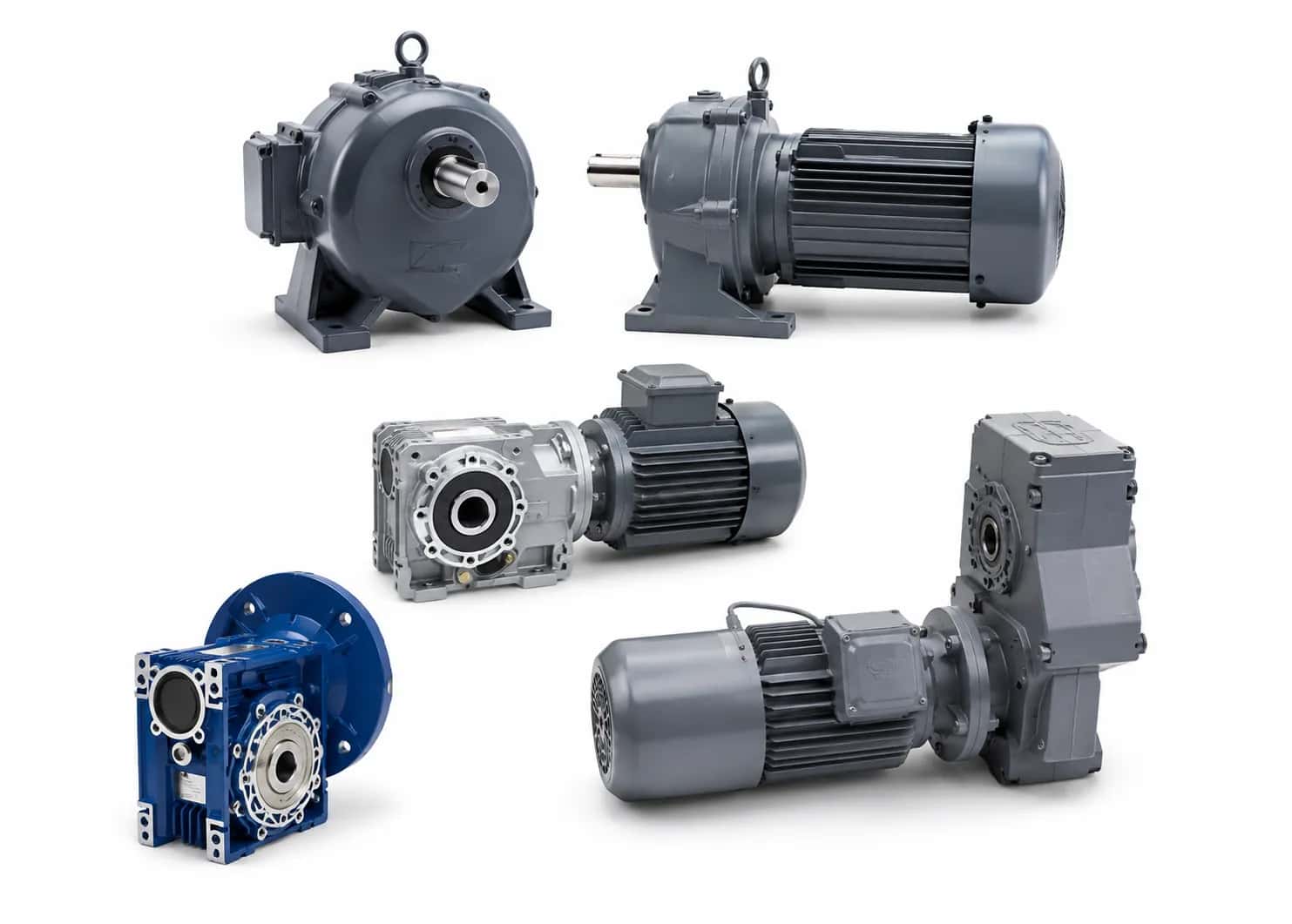
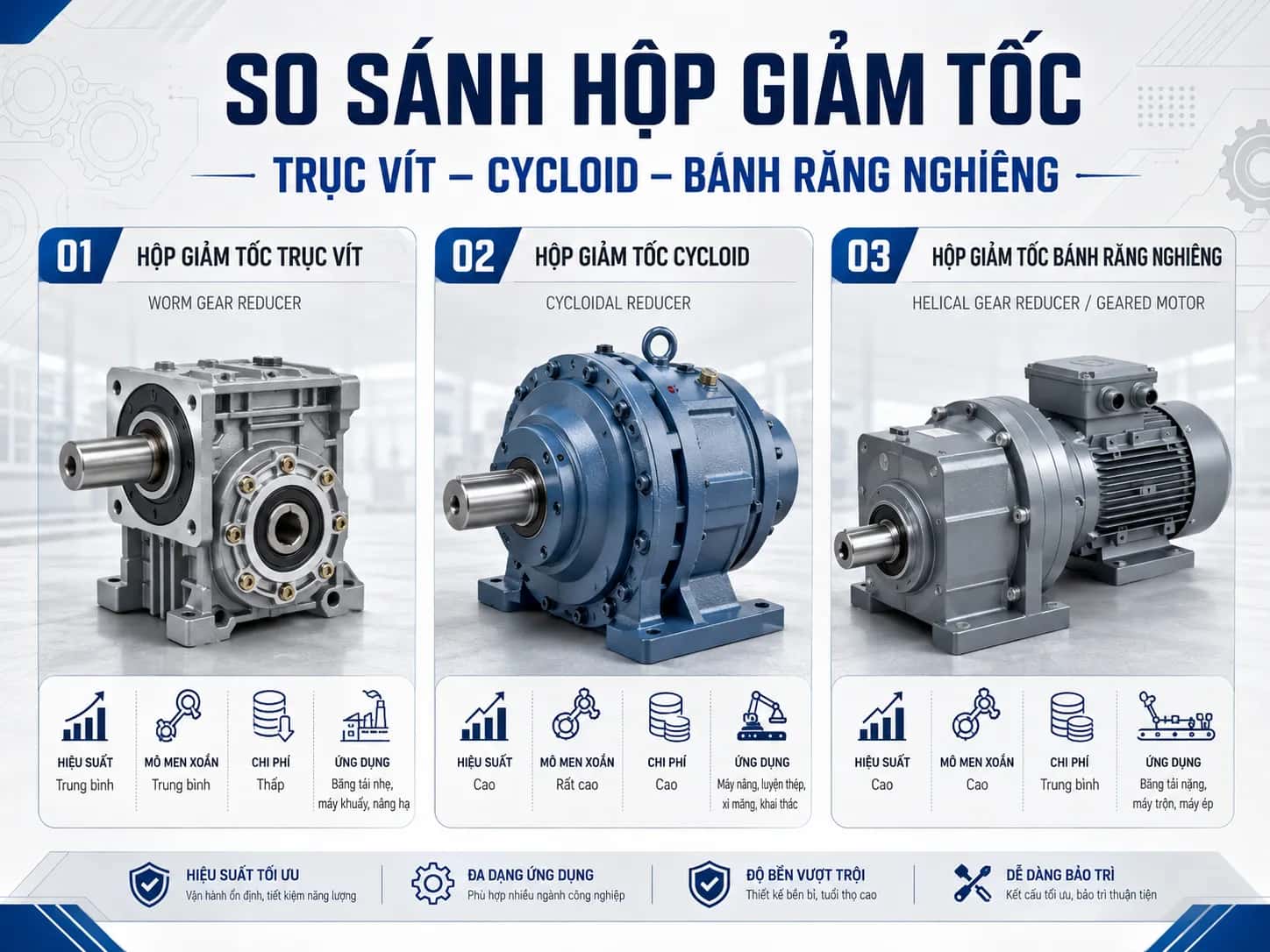
Helical gearboxes, worm gearboxes, right-angle gearboxes, heavy-duty gearboxes, or geared motors may require different types of oil and maintenance intervals. Some small gearboxes may come pre-lubricated, while large industrial gearboxes typically require periodic inspection and oil changes.
2. Operating load
If the gearbox frequently operates under overload, shock loads, continuous reversing, or frequent start-stop cycles, the oil will degrade faster. This application category requires regular monitoring of temperature, noise, and oil condition.
3. Operating temperature
High temperatures cause oil to oxidize rapidly, reduce viscosity, and lose lubrication effectiveness. If the gearbox is abnormally hot, it is necessary to check the oil, oil level, mechanical load, bearings, shaft alignment, and ambient ventilation conditions.
4. Operating environment
Environments with high dust, steam, chemicals, outdoor exposure, or high ambient temperatures will affect oil service life. If water, dust, or contaminants enter the gearbox, the oil may change color, foam, or lose its ability to protect the gears.
5. Machine running time
Machines running 24/7 will require a different maintenance plan than machines running only a few hours per day. Therefore, it is recommended to calculate oil change intervals based on actual operating hours rather than just calendar time.
6. Type of oil used
Mineral oil, synthetic oil, or specialized gearbox oil have different characteristics. Selecting the wrong viscosity or the wrong type of oil can cause the gearbox to overheat, become noisy, or wear out faster.
Signs requiring inspection or oil change
During operation, if the following signs appear, the machine should be stopped for inspection or maintenance should be scheduled promptly:
Abnormally hot gearbox
If the gearbox temperature rises higher than normal, it may be due to low oil levels, oil degradation, incorrect oil selection, or the gearbox being overloaded. This is also a sign directly related to the geared motor overheating.
Louder than normal noise
If the gearbox emits whining, screeching, knocking, or clunking sounds, it may be due to poor lubrication, worn gears, damaged bearings, or abnormal mechanical clearances.
Excessive vibration during operation
Vibration can result from coupling misalignment, loose mounting feet, damaged bearings, worn gears, or oil that no longer provides adequate lubrication. Do not simply change the oil and neglect mechanical inspection.
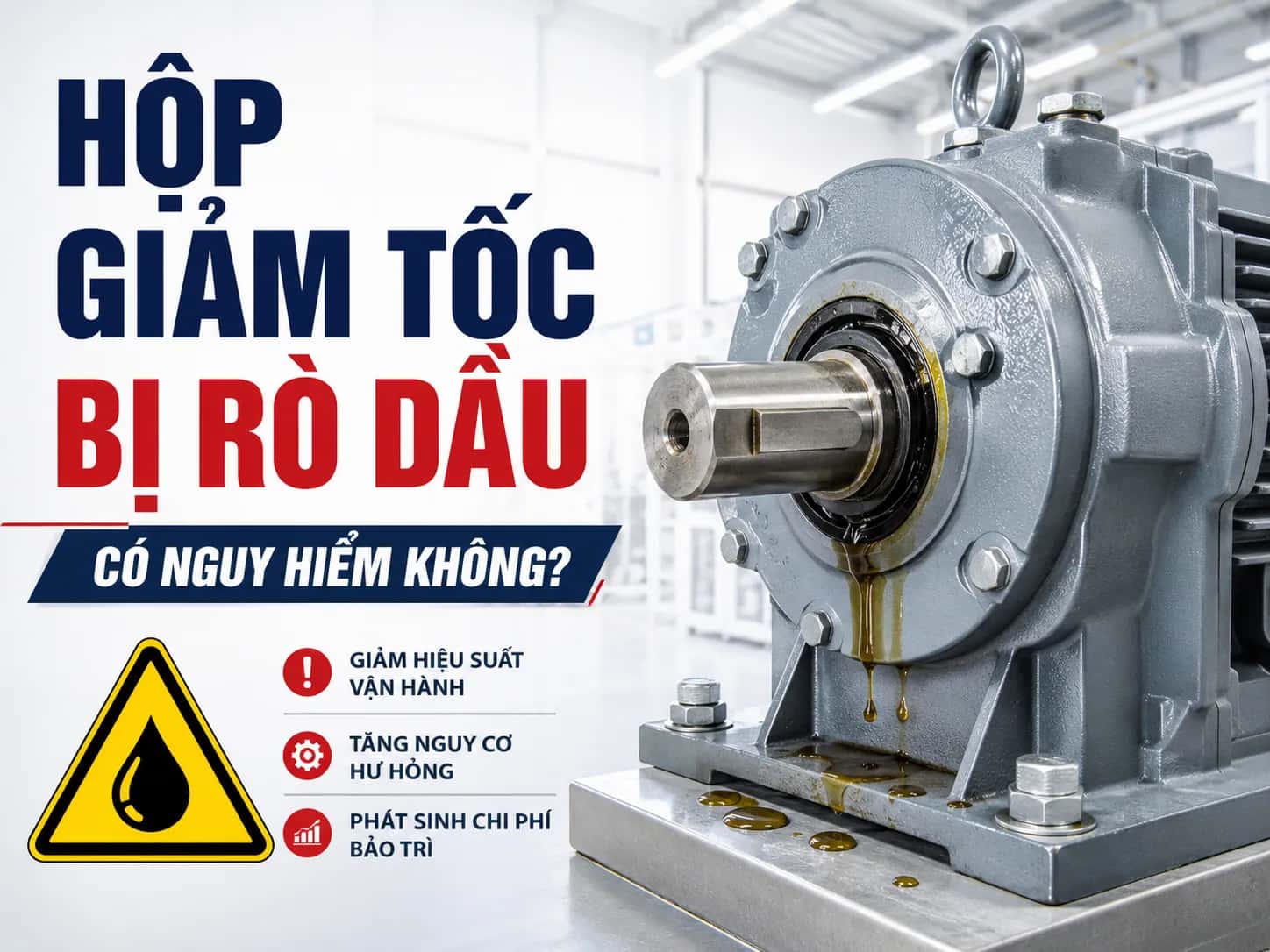
Oil leakage at seals or mating surfaces
Oil leaking out reduces the oil level, leading to insufficient lubrication and increased temperature. It is necessary to check oil seals, drain plugs, oil level plugs, flanges, and mounting surfaces.
Discolored oil
Oil turning black, cloudy, abnormally dark, or showing signs of water contamination is a sign that requires inspection. Discolored oil usually indicates that the oil has oxidized, become contaminated, or operated under high-temperature conditions.
Burnt smell from oil
A burnt smell indicates that the oil may have overheated. In this case, it is necessary to check the gearbox temperature, actual load, oil viscosity, and the condition of the internal gears.
Metal particles in the oil
A very small amount of fine sediment may appear after a period of operation, but if the oil contains significant metal particles, it is necessary to check the gears, bearings, and friction surfaces. This is a sign that should not be ignored.
How to check gearbox oil
To check the gearbox oil, maintenance technicians can follow these basic steps:
Stop the machine and ensure safety before inspection.
Allow the gearbox to stabilize in temperature if it has just been operating under heavy load.
Inspect the surrounding area for any oil leaks.
Check the oil level via the oil sight glass, dipstick, or oil level plug.
Take an oil sample if necessary to observe color, odor, and contaminants.
Check for air bubbles, water, metal particles, or abnormal oil discoloration.
Verify the oil type in use against the manufacturer's recommendations.
Record the condition in the maintenance log for future tracking.
When changing oil, it is advisable to drain the old oil while it is still warm to allow contaminants to flow out more easily. However, ensure safety and avoid performing operations while the oil or gearbox housing is excessively hot.
Common mistakes during oil changes
In industrial gearbox maintenance, some common errors include:
Using the wrong oil type or viscosity grade.
Underfilling, leading to insufficient lubrication for gears and bearings.
Overfilling, causing overheating, foaming, or oil leakage.
Failing to clean the drain and fill plug areas before operation.
Neglecting to check seals, gaskets, and breathers after an oil change.
Mixing different types of oil without verifying compatibility.
Changing the oil without investigating the root cause of gearbox overheating.
Failing to record the oil change date, oil type, and the condition of the old oil.
Proper oil replacement is essential, but not all issues can be resolved solely by changing the oil. If the gearbox remains hot, noisy, or vibrates after an oil change, further inspection of the mechanical load, bearings, gears, couplings, motor, and installation conditions is required.
Notes on maintaining DSK gearboxes / industrial gear motors
For DSK gearboxes, DSK gear motors, or other industrial gear motor series, maintenance should be based on the specific technical documentation for each series and the actual operating conditions at the plant.
Key points to note:
Verify the correct mounting position, as the locations of the fill plug, drain plug, and oil level may vary depending on the mounting configuration.
Use the correct oil type and viscosity as per technical recommendations.
Monitor the gearbox temperature during the initial operation phase.
Check for oil leaks at the output shaft seals, flanges, and motor mounting interfaces.
Do not allow the gearbox to operate with insufficient oil for extended periods.
If the gear motor overheats, inspect the motor, gearbox, driven load, power supply, and VFD (if applicable) simultaneously.
For applications such as conveyors, agitators, screw conveyors, or heavy-duty loads, establish a clear periodic oil inspection schedule.
Proper oil maintenance helps extend the service life of the gearbox, reduces the risk of downtime, and minimizes potential damage during production.
MDriveTech consultation support
MDriveTech provides consulting services for the selection and maintenance of gear motors, gearboxes, VFDs, and industrial drive solutions for factories, workshops, and maintenance departments.
If your gearbox or gear motor is overheating, making loud noises, vibrating abnormally, or if you suspect gear oil degradation, MDriveTech can assist by inspecting operational data, providing troubleshooting advice, and recommending solutions tailored to each specific application.
📞 Hotline: 0868 789 647
📧 Email: [email protected]
FAQ
1. How often should gearbox oil be changed?
There is no fixed interval for all gearboxes. Oil change frequency depends on the gearbox type, operating load, temperature, environment, running hours, and the manufacturer's recommendations.
2. Is gearbox overheating caused by the oil?
It is possible, but not always the cause. Gearbox overheating can be due to low oil levels, incorrect oil viscosity, oil degradation, overloading, bearing failure, gear wear, coupling misalignment, or poor ventilation.
3. Should I change the gearbox oil if it changes color?
If the oil becomes dark, cloudy, has a burnt odor, is contaminated with water, or contains significant sediment/metal particles, you should inspect it thoroughly and consider an oil change. It is also necessary to investigate the root cause of the oil degradation.
4. Can I mix different types of gearbox oil?
You should not mix oils without verifying compatibility. It is best to use the exact oil type recommended by the manufacturer or consult a technical service provider before changing the oil type.
5. Is gear motor overheating related to gearbox oil?
It can be related. If the gearbox section lacks oil, uses contaminated oil, or uses unsuitable oil, friction increases, causing the gear motor assembly to overheat. However, you should also check the load, voltage, current, VFD settings, and installation conditions.