What Is a Brake Geared Motor? When Should You Use One?
Discover what a brake geared motor is, its operating principles, practical applications, and how to select the right one for conveyors, lifting mechanisms, packaging machines, and industrial production lines.
What Is a Brake Motor? When Is It Needed?

Brake motors are used in drive systems that require quick stopping, load holding, or anti-drift protection during power loss.
What Is a Brake Motor?
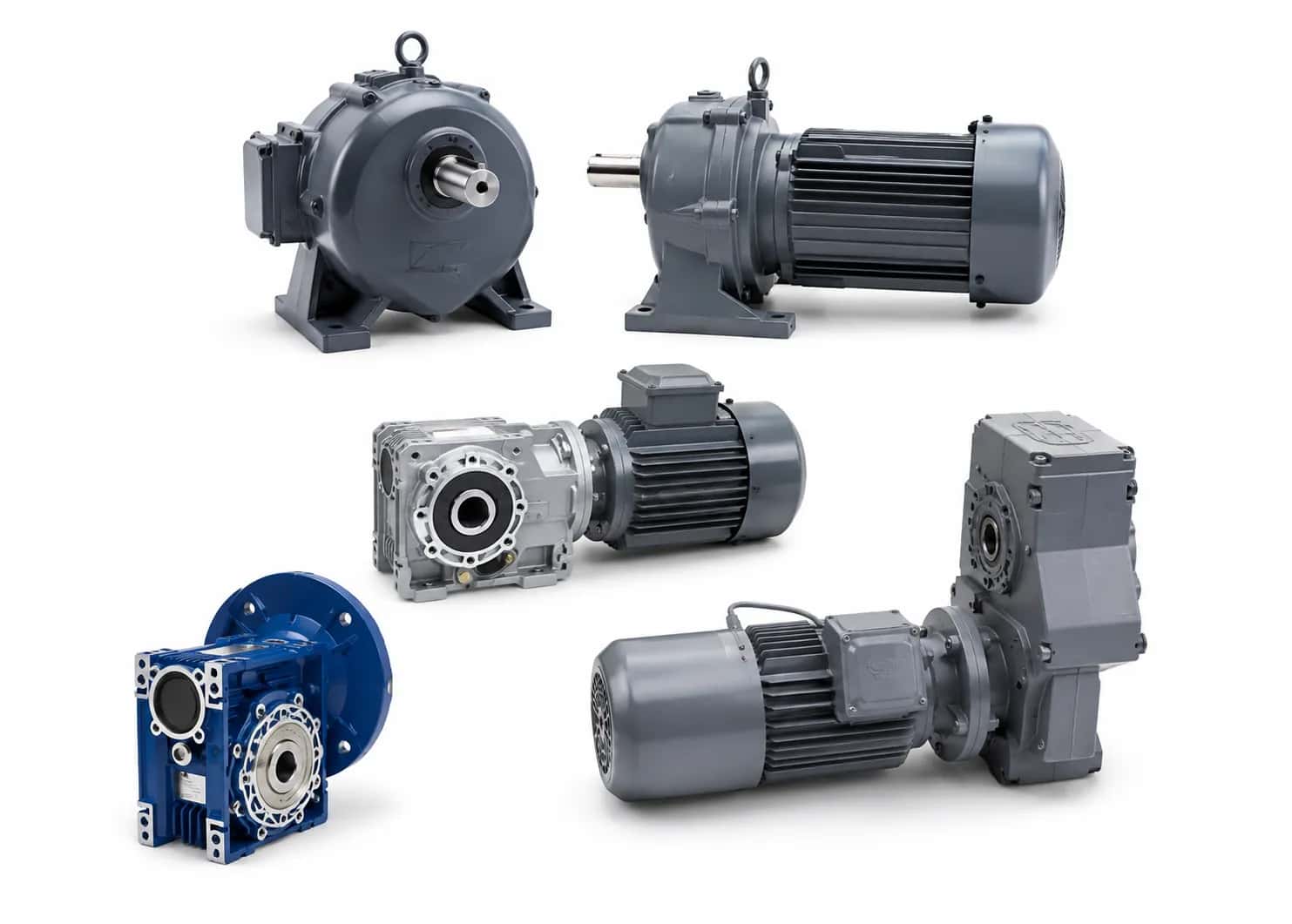
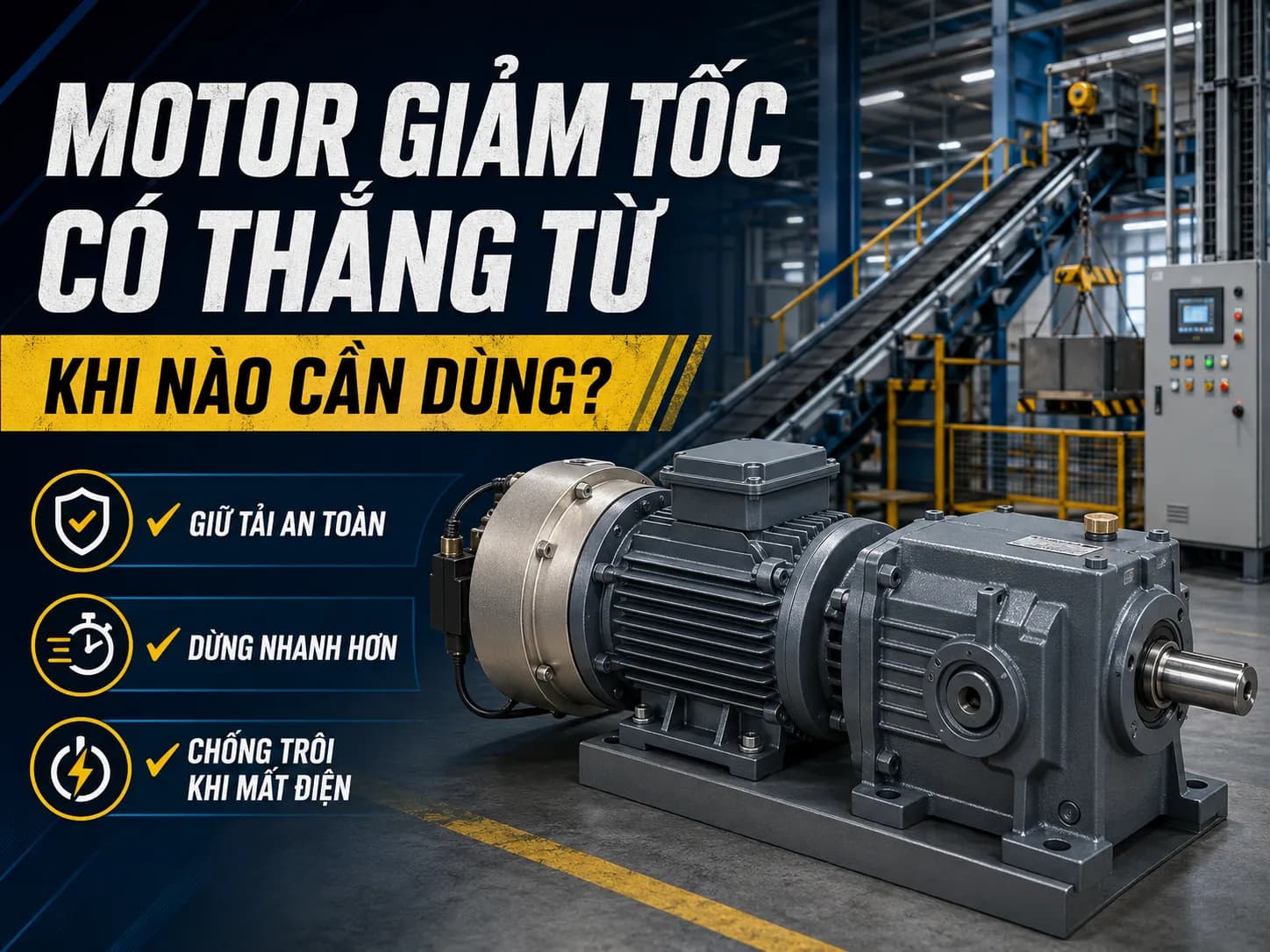
A brake motor is a geared motor integrated with an electromagnetic brake at the rear of the motor. This brake unit is responsible for braking the motor shaft upon stopping, preventing load drift, especially in applications such as inclined conveyors, lifting equipment, rotary tables, or mechanisms requiring precise positioning.
Simply put, it is still a motor + gearbox assembly, but with an added electromagnetic brake to enhance motion control capabilities.
In industrial applications, brake motors are typically used when a standard geared motor is insufficient, particularly when the system requires:
Faster stopping
Safe load holding
Anti-drift protection during power loss
More precise positioning
Prevention of reverse rotation
How Does the Brake on a Geared Motor Work?

The operating principle of the electromagnetic brake is quite simple:
When powered, the brake coil is energized, and the electromagnetic force attracts the brake disc, causing the brake to release, allowing the motor to rotate normally.
When power is lost or a stop command is issued, the brake coil loses its magnetic force, and the spring presses the brake disc back, causing the brake to engage, holding the motor shaft stationary.
Therefore, the brake is typically a fail-safe (power-off) brake. This is a safety feature, as in the event of a sudden power loss, the load is held in place instead of drifting freely.
How Does a Brake Motor Differ from a Standard Geared Motor?
The biggest difference lies in the ability to brake and hold the load.
Criteria | Standard Geared Motor | Brake Motor |
|---|---|---|
Stopping upon power cut | Coasts due to inertia | Stops faster |
Holding load stationary | Poor | Better |
Anti-drift | Not suitable | Suitable |
Precise positioning | Limited | Better |
Applications | General loads | Lifting, inclined conveyors, rotary tables |
If the system only requires continuous rotation, light load, and no position holding, a standard geared motor is usually sufficient. However, if better safety and stopping control are required, a geared motor with an electromagnetic brake is a more suitable choice.
When to Use a Geared Motor with an Electromagnetic Brake?
Not every application requires an electromagnetic brake. However, you should consider using a geared motor with a brake in the following cases:
1. Inclined or Sloped Conveyors
With inclined conveyors, when the machine stops or power is lost, the load may cause the conveyor to drift backward. In this case, the electromagnetic brake helps hold the load, prevents drifting, and increases operational safety.
2. Lifting Mechanisms
Lifting mechanisms always require load holding when stopped. Without an electromagnetic brake, the load may drop during a power failure or when the motor stops rotating.
3. Rotary Tables, Indexing Mechanisms
Some systems require relatively precise stopping at set positions. The electromagnetic brake helps reduce inertia and assists in holding the shaft after stopping.
4. Packaging Machines, Feeding Machines
Many machines need to stop quickly between operating cycles. The electromagnetic brake helps the mechanism stop more precisely, avoiding overtravel after the run command is cut off.
5. Industrial Rolling Doors, Opening/Closing Mechanisms
Opening and closing systems require the motor to stop safely and maintain a stable position, especially when there is a suspended load or counter-force.
Practical Applications of Geared Motors with Electromagnetic Brakes
Some common applications include:
Inclined conveyors
Conveyors for elevating goods
Load lifting mechanisms
Industrial rotary tables
Packaging machines
Filling machines
Industrial rolling doors
Positioning stop mechanisms
Rotating mechanisms with inertial loads
In these applications, the electromagnetic brake helps increase safety and provides better control compared to standard geared motors.
How to Select a Geared Motor with an Electromagnetic Brake
To select the correct geared motor with an electromagnetic brake, do not look only at the motor power. It is necessary to consider the load, operating method, and load-holding requirements simultaneously.
1. Selection Based on Motor Power
The power must be suitable for the actual load. If the power is insufficient, the motor will easily overheat, the electromagnetic brake will work harder, and the service life of the drive system will decrease.
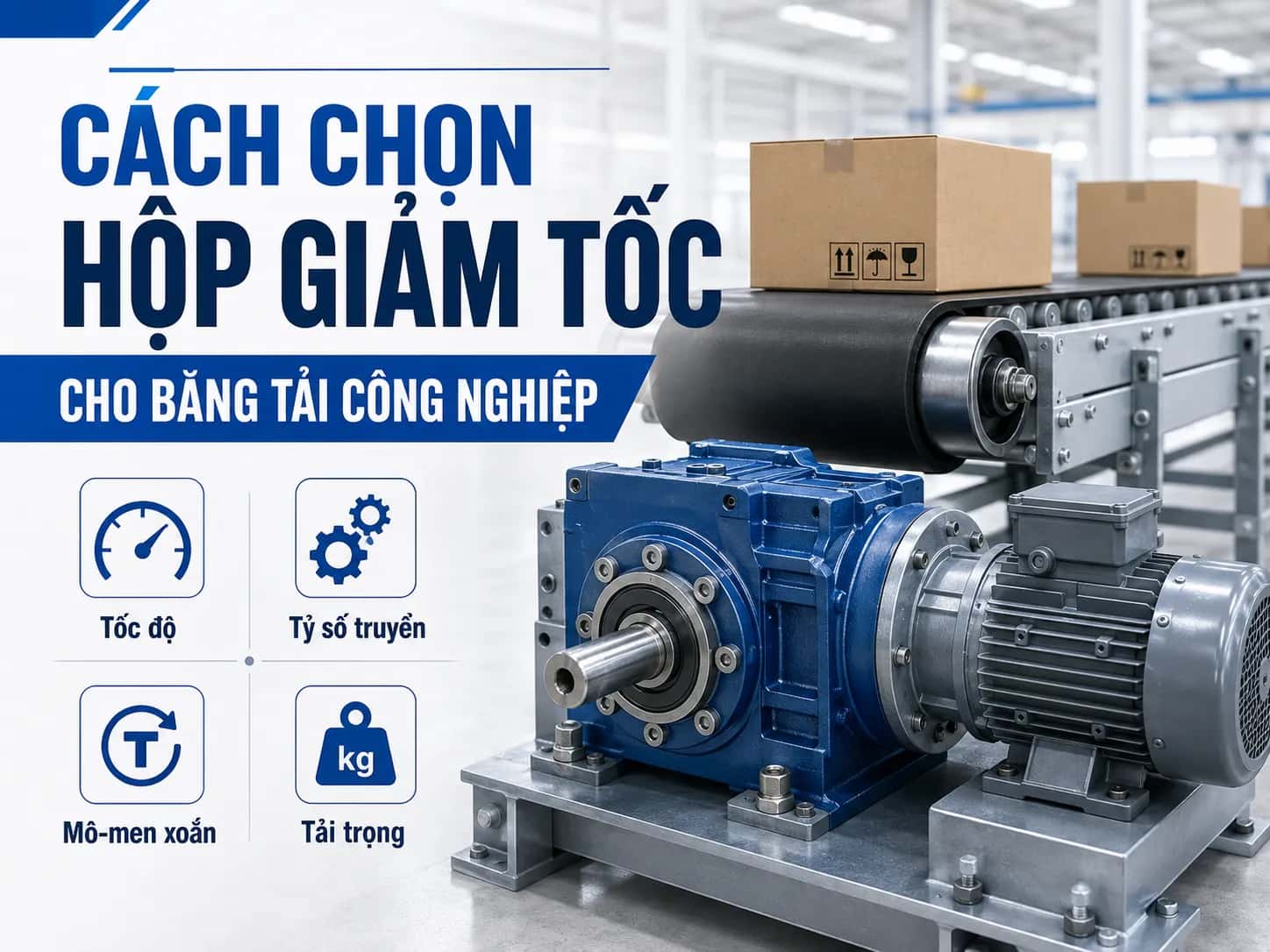
2. Selection Based on Gear Ratio and Output Speed
The gear ratio determines the output speed. It is necessary to determine:
Required load speed
Motor speed
Suitable gear ratio
If the gear ratio is selected incorrectly, the system may run too fast or lack sufficient torque.
3. Check Output Torque
The output torque must be sufficient to pull the load and suitable for actual operating conditions. For heavy loads, inclined loads, or loads with high inertia, this is a very important parameter.
4. Check Electromagnetic Brake Voltage
It is necessary to determine the brake coil voltage that matches the control system. This is a detail easily overlooked when ordering.
5. Check Brake Engagement Cycle
If the system engages and disengages the brake too frequently, it is necessary to select an electromagnetic brake type suitable for the operating frequency to avoid overheating or rapid wear of the brake.
6. Check Whether a VFD Is Used
If the system uses a VFD, it is necessary to check whether the electromagnetic brake control method is suitable. In many cases, the brake engagement/disengagement logic must be processed at the correct timing to avoid load jerking.
Common Errors When Using Brake Motors
Incorrect Brake Voltage Selection
This is a very common error. If the brake coil voltage is incorrect, the brake may not release or engage stably.
Incorrect Wiring
Incorrect wiring can cause the electromagnetic brake to remain engaged or fail to operate according to the control logic.
Brake Not Fully Released
When the brake does not release completely, the motor will overheat, make noise, and consume more power than usual.
Worn Brake
After a period of use, the brake surface and spring mechanism may wear out. In this case, the braking force decreases and the load-holding efficiency is no longer as it was initially.
Frequent Stopping in a Short Time
If the system stops/starts continuously, the electromagnetic brake will operate at a high frequency. This must be taken into account from the motor selection stage.
Should You Use a VFD with a Brake Motor?
It is possible, but you need to understand the correct role of each device.
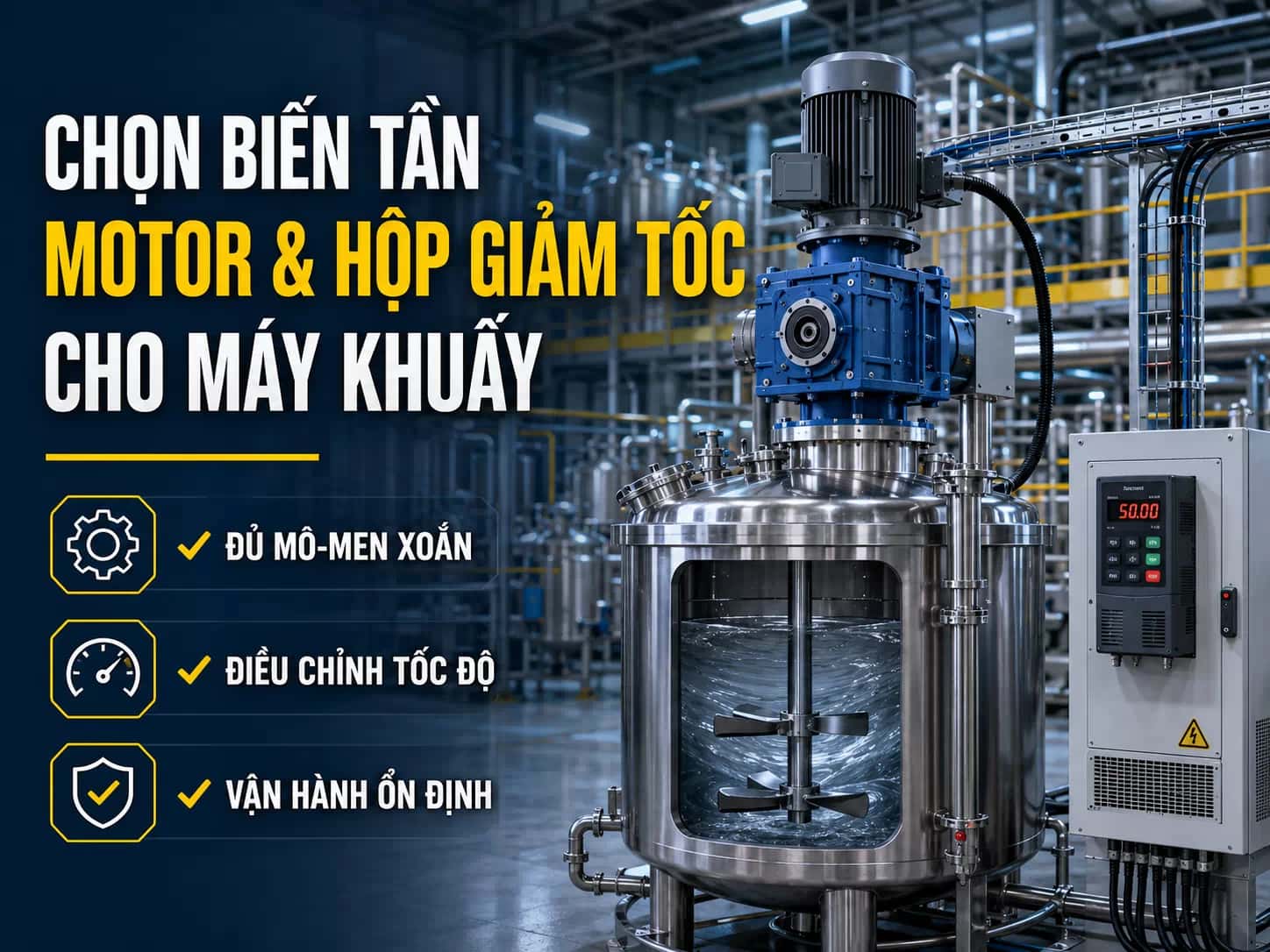
VFD helps adjust speed, provides smooth starting, and reduces mechanical shock.
Electromagnetic brake helps hold the load and provides mechanical braking when a stop is required.
These two devices can work well together if configured correctly. However, do not assume that a VFD can completely replace an electromagnetic brake in applications requiring load holding during power outages.
For inclined conveyors, lifting equipment, or position-holding mechanisms, using a VFD alone is often insufficient. In these cases, it is still recommended to use a brake motor.
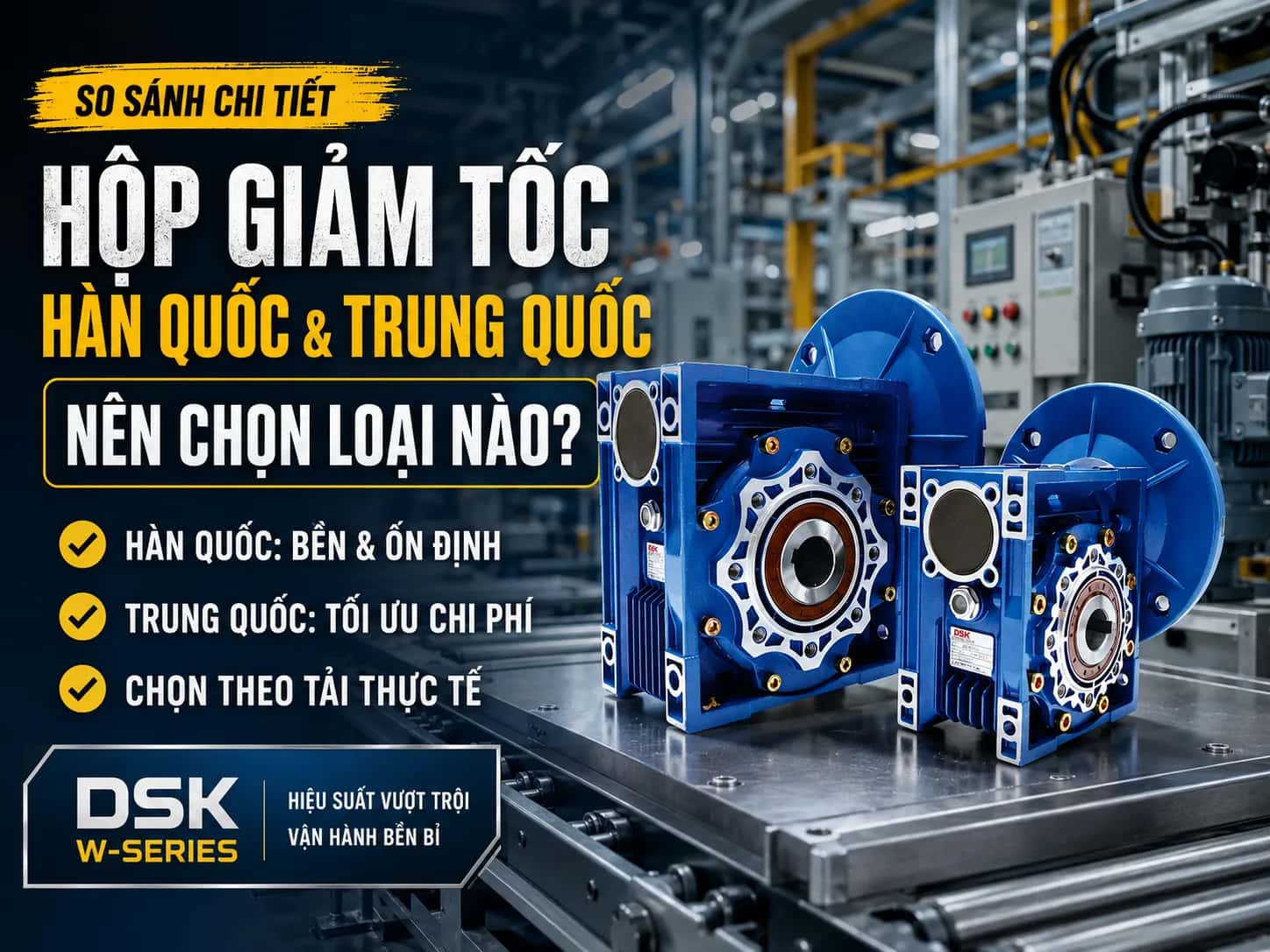
Can Brake Motors Be Used for DSK?
Yes. For DSK gear motors, depending on the configuration and actual application, you can choose a version with an electromagnetic brake or a suitable brake option.
When selecting a DSK brake motor, you should provide the following information:
Actual application
Required power
Output speed
Gear ratio
Whether there is a suspended load
Whether a VFD is used
Stop/load-holding frequency
Mounting type
The more complete the information provided, the more accurate the motor selection will be.
MDriveTech Supports Brake Motor Selection
MDriveTech provides consulting for gear motors, gearboxes, VFDs, and industrial drive solutions for various factory applications.
MDriveTech can assist with:
Consulting on selecting brake motors based on actual load
Calculating output speed and gear ratio
Checking load-holding and anti-drift requirements
Consulting on whether to use a standard gear motor or a brake motor
Assisting in selecting DSK gear motors based on the application
Consulting on the coordination between gear motors and VFDs
If you need to select a brake motor for a conveyor, lifting system, or packaging machine, you should discuss the operating conditions thoroughly to make the right choice from the start.
📞 Hotline: 0868 789 647
📧 Email: [email protected]
FAQ – Frequently Asked Questions
What is a brake motor?
This is a gear motor integrated with an electromagnetic brake to lock the motor shaft when stopped or in the event of a power failure.
When is a brake motor required?
When the system needs to hold a load, prevent drifting, or achieve fast and precise stopping, such as in inclined conveyors, lifting applications, or rotary tables.
Can a standard gear motor replace a brake motor?
In many general applications, yes. However, for inclined loads, lifting applications, or mechanisms requiring load holding, a standard motor is not as suitable as a brake motor.
Can a brake motor be used with a VFD?
Yes, but the brake must be properly configured and controlled to avoid load jerking or failure of the brake to release at the correct time.
Does the brake wear out?
Yes. After a period of operation, the brake surface and associated components may wear out and require periodic inspection.