What Is the Difference Between Starting Torque and Running Torque?
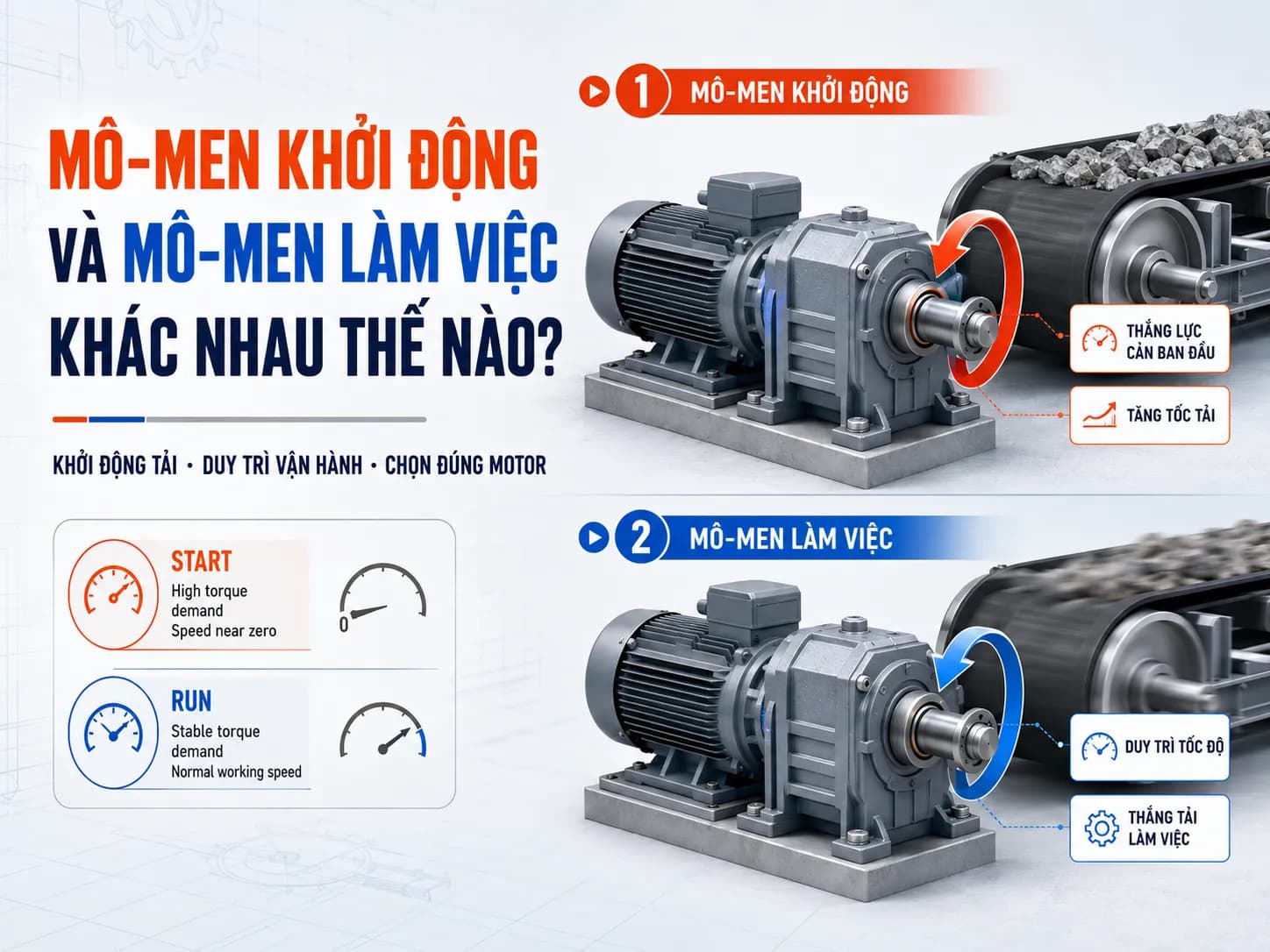
A comparison between starting torque and running torque for motors and gearboxes, including calculation methods, signs of insufficient torque, and essential considerations for drive system selection.
What Is the Difference Between Starting Torque and Running Torque?
Starting torque and running torque are two critical parameters when selecting motors, gear motors, and gearboxes. Running torque represents the torque required for the machine to maintain operation, while starting torque must overcome initial resistance and accelerate the entire mechanism.
If selection is based solely on power or running torque, the motor may run stably after reaching speed but lack the force required to start the load.
What Is Starting Torque?
Starting torque is the torque generated by the motor at the moment it begins to rotate, when the shaft speed is at or near zero.
For asynchronous motors started directly, this parameter is also known as:
Starting torque
Locked-rotor torque
Starting torque (Mô-men mở máy)
Locked-rotor torque (Mô-men khóa rotor)
Starting torque must perform two simultaneous tasks:
Overcome the resistance of the load at a standstill.
Generate acceleration for the motor and machine mechanism to reach the required speed.
The starting capability of a motor depends not only on the rated power but also on the torque-speed characteristics, voltage, starting method, and machine load. IEC 60034-12 separately classifies the starting characteristics of three-phase asynchronous motors, including torque and current when the rotor is stationary.
What Is Running Torque?
Running torque is the torque required for the machine to maintain operation under normal working conditions.
It is necessary to distinguish between two concepts:
Load torque: the torque required by the machine mechanism at a specific moment.
Rated torque: the torque that a motor or gearbox can provide continuously under rated conditions.
During steady-state operation, the motor torque balances with the load torque and mechanical losses. At this point, the speed is nearly constant.
The rated torque of a motor can be approximately calculated from power and speed:
T = 9,550 × P / n
Where:
T: torque, Nm
P: power, kW
n: speed, rpm
For example, a 1.5 kW motor running at 1,450 rpm has an approximate rated torque of:
T = 9,550 × 1.5 / 1,450 ≈ 9.88 Nm
Comparison of Starting Torque and Running Torque
Criteria | Starting Torque | Running Torque |
|---|---|---|
Occurrence | When the motor starts to rotate | When the machine is already running |
Shaft speed | At or near 0 | At operating speed |
Purpose | Overcome resistance and accelerate load | Maintain motion |
Duration | Short-term | Continuous or cyclic |
Primary dependencies | Motor characteristics, power supply, starting method | Load characteristics, speed, and efficiency |
Risk of insufficient torque | Motor fails to start, high current, prone to overheating | Machine slows down, overload, or stalls |
Impact on gearbox | Creates peak torque during startup | Creates continuous load on gears and bearings |
Why can starting torque be higher than operating torque?
When the machine is running at a steady state, the motor primarily needs to provide torque to overcome the load and mechanical losses.
During startup, the motor must also accelerate the following:
Motor rotor
Gears and shafts
Couplings
Sprockets, pulleys, or drums
Conveyor belts and materials
Agitators
The entire rotating or moving mass of the machine
The fundamental dynamic relationship is:
Tmotor − Tload = J × α
Where:
Tmotor: motor torque
Tload: load torque
J: equivalent moment of inertia
α: angular acceleration
The difference between the motor torque and the load torque is used to accelerate the system. If the motor torque is only equal to the load torque, the machine has virtually no excess torque for acceleration. The relationship between total torque, moment of inertia, and angular acceleration is a fundamental principle of electric drive systems.
Is starting torque always higher than operating torque?
Not every application requires a starting torque significantly higher than the operating torque.
The required torque level depends on the load characteristics.
Machine type | Starting torque characteristics |
|---|---|
Centrifugal fan | Usually low at low speeds |
Centrifugal pump | Usually increases with speed |
Unloaded conveyor | Low to medium |
Loaded conveyor startup | Can be high |
Inclined conveyor | High due to holding and lifting the load |
Agitator | Depends on viscosity and material state |
Screw conveyor | Usually high if started with material |
Crusher | High and may involve impact loads |
Drum, winch | Depends on load, drum radius, and direction of movement |
Hoisting mechanism | Requires checking load, brakes, and load-holding capability |
Therefore, a fixed starting torque ratio should not be applied to all machines.
How are motor starting torque and gearbox related?
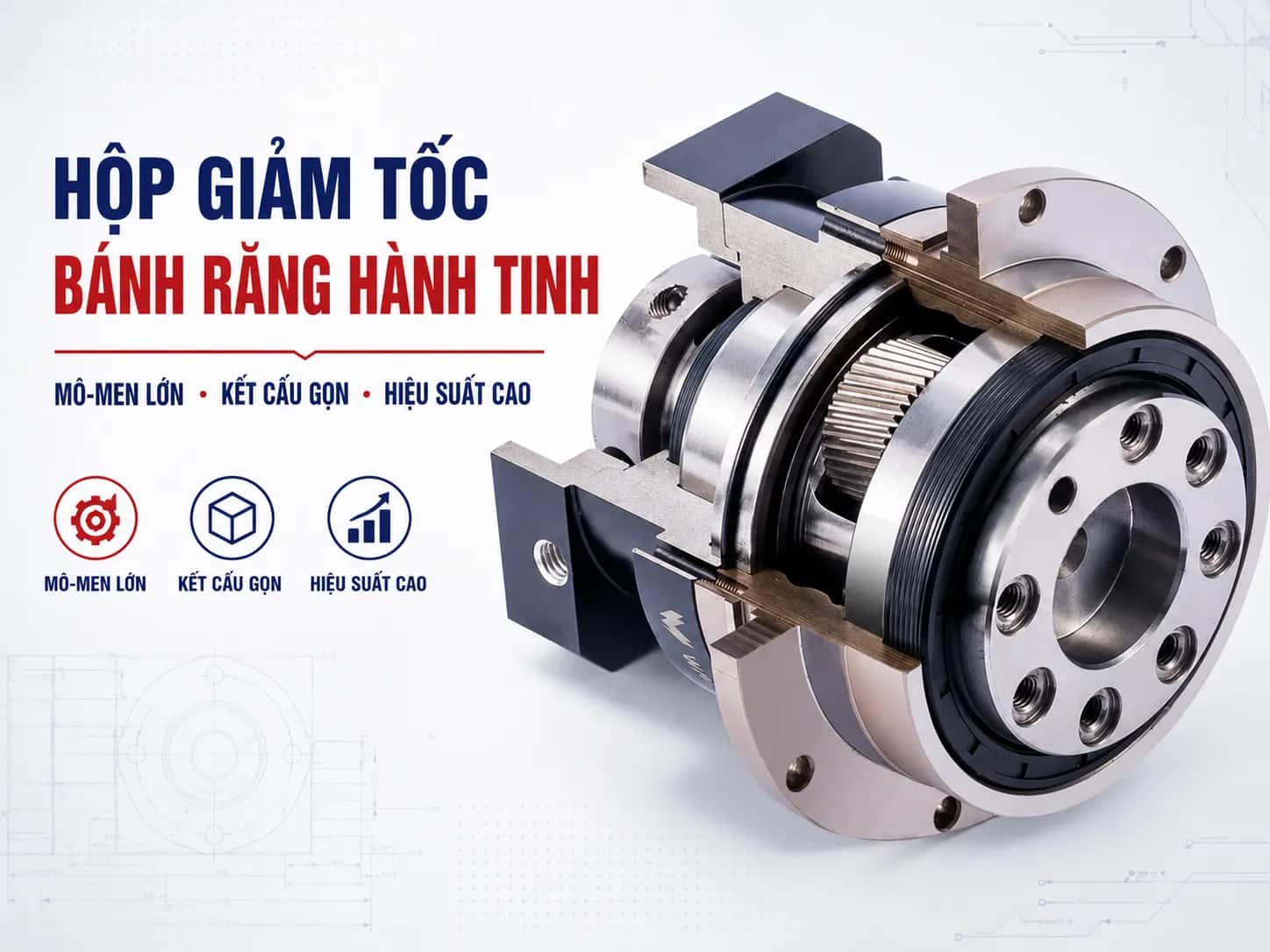
A gearbox reduces speed and increases torque at the output shaft.
The output torque can be estimated as:
T₂ ≈ T₁ × i × η
Where:
T₁: torque at the motor shaft
T₂: torque at the gearbox output shaft
i: gear ratio
η: transmission efficiency
The relationship between gear ratio, speed, and torque is the foundation of geared drive systems. The inertia load referred to the motor side also changes according to the square of the gear ratio.
For example, a motor generates a starting torque of 15 Nm, a gearbox has a gear ratio of 20 and a total efficiency of 90%:
T₂ ≈ 15 × 20 × 0.9 = 270 Nm
However, one should not conclude that a gearbox is suitable based solely on this result. It is necessary to simultaneously check:
Permissible continuous output torque
Permissible peak torque
Starting torque or peak torque
Number of starts per hour
Shock load
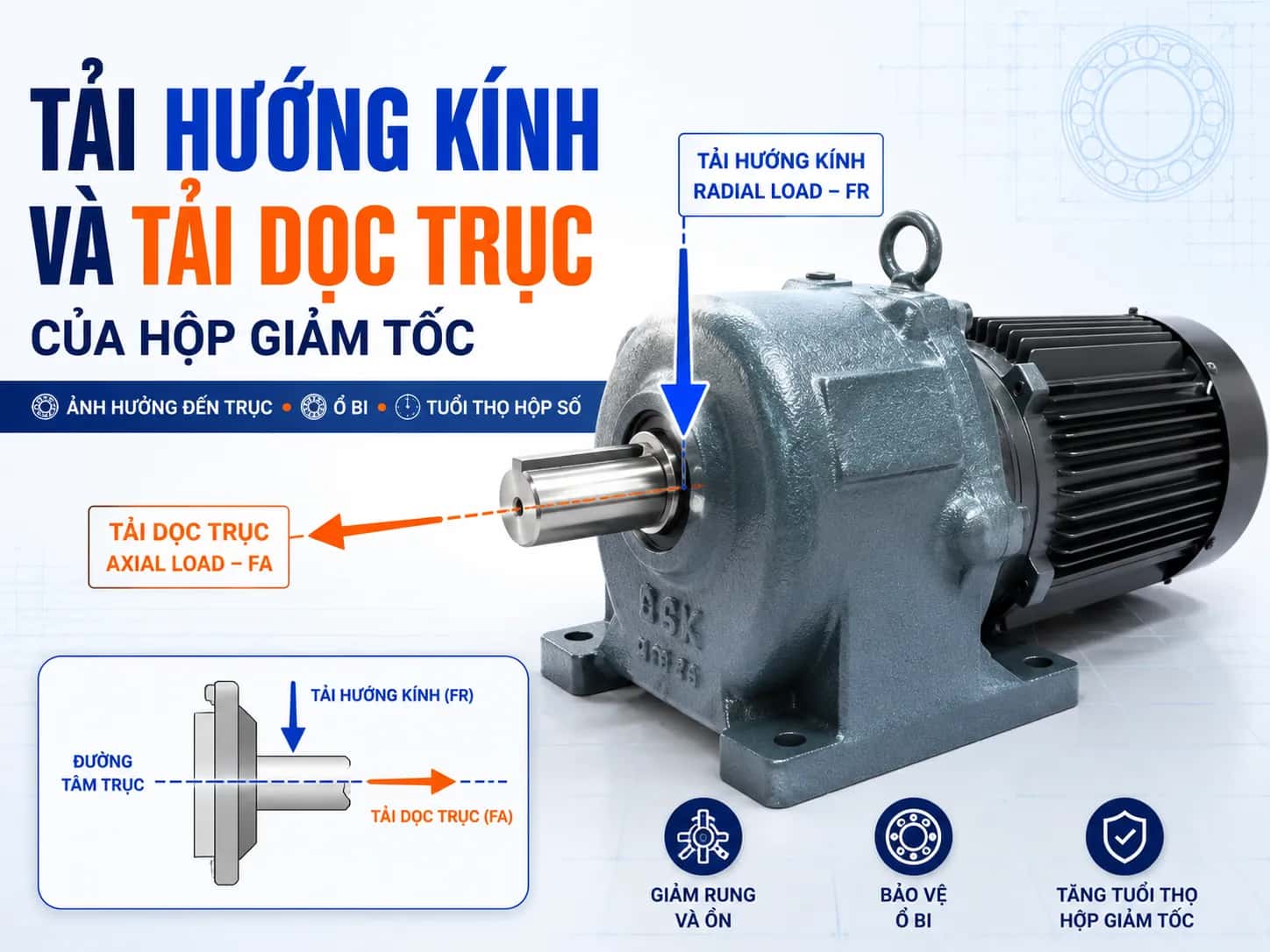
Radial and axial loads
Bearing and gear service life
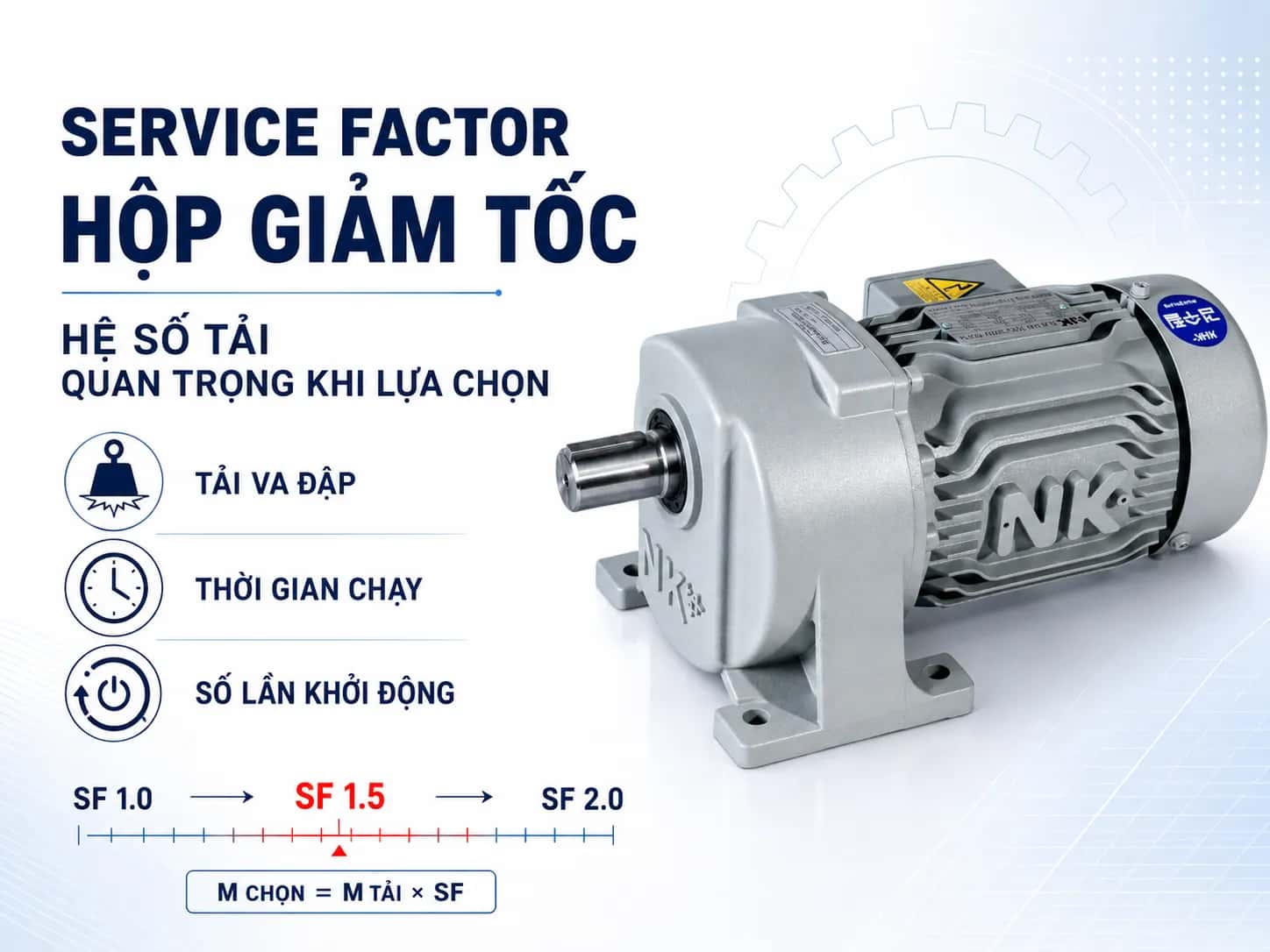
A gearbox with sufficient operating torque may still be overloaded if the starting torque or shock torque exceeds short-term limits.
Influence of starting methods
Direct-on-line (DOL) starting
The motor receives the full supply voltage and generates a starting torque characteristic according to the motor design. Starting current is usually high, so it is necessary to check the power supply, switching devices, and the load-bearing capacity of the mechanism.
Star-delta starting
The voltage applied to each winding during the star connection phase is lower than during delta operation. The starting torque is therefore significantly reduced.
This method is not suitable if the load requires high torque from a standstill.
Soft starting
A soft starter reduces voltage during the startup process to limit current and mechanical shock. As the voltage decreases, the starting torque of the asynchronous motor also decreases.
Therefore, it is necessary to set the ramp-up time and initial voltage suitable for the load.
Variable Frequency Drive (VFD)
A VFD controls the motor voltage, frequency, and current during startup. The ability to generate torque at low speeds depends on:
V/F mode or vector control
Current limit
Motor parameters
Autotune results
Acceleration time
VFD overload capacity
Motor cooling condition
Starting torque when using a VFD should not be evaluated solely by the motor's locked-rotor torque parameter during direct starting.
What happens when the starting torque is insufficient?
Common signs include:
Motor is energized but does not rotate
Motor rotates very slowly during startup
High current draw
Thermal relay or VFD reports overcurrent
Starts under no-load but fails to run under load
Excessive acceleration time
Motor heats up rapidly
Brake has released but the load does not move
Conveyor jerks and then stops
Couplings, chains, or belts vibrate strongly
If the motor is held at a very low speed for an extended period, current and temperature may rise rapidly, reducing the winding service life.
Why does a motor with sufficient power fail to start?
A motor with an appropriate rated power may still fail to start due to:
Starting torque lower than load torque
Acceleration time set too short
VFD current limit set too low
Supply voltage drop
Incorrect star-delta connection
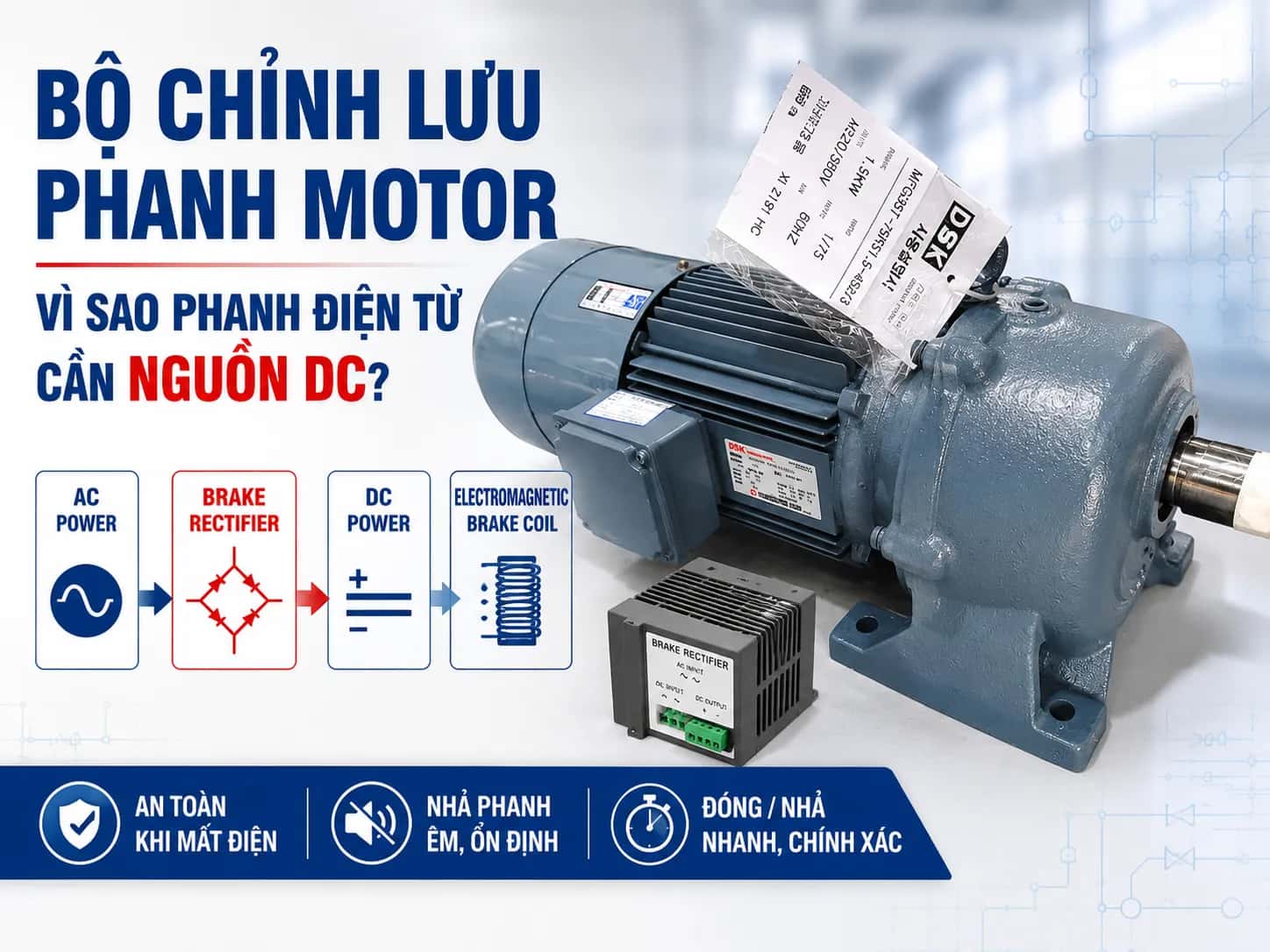
Electromagnetic brake not fully released
Mechanically jammed load
Seized bearings or gearbox
Improperly installed gears, chains, or pulleys
Material accumulation in screw conveyors or agitators
Excessive load moment of inertia
Inappropriate gearbox gear ratio
Therefore, you should not immediately address the issue by increasing the motor power without first identifying the root cause.
How to select a motor and gearbox based on torque
1. Determine the operating torque
Calculate the torque required for the machine to maintain operation at the desired speed.
2. Determine the starting load torque
Check whether the load starts empty or fully loaded, and if there is static friction, lifting force, solidified material, or initial pressure.
3. Calculate the moment of inertia
Evaluate the mass and dimensions of rotating components such as drums, flywheels, turntables, pulleys, and machine shafts.
4. Determine the acceleration time
The shorter the acceleration time, the higher the required acceleration torque.
5. Check motor and controller characteristics
It is necessary to confirm that the motor and control device can generate sufficient torque throughout the entire acceleration process, not just at the moment of starting.
6. Check the gearbox
The gearbox must meet all of the following:
Continuous torque
Starting torque
Peak torque
Start-stop cycle
Shock load
Overhung load on the shaft
7. Check brakes and backstops
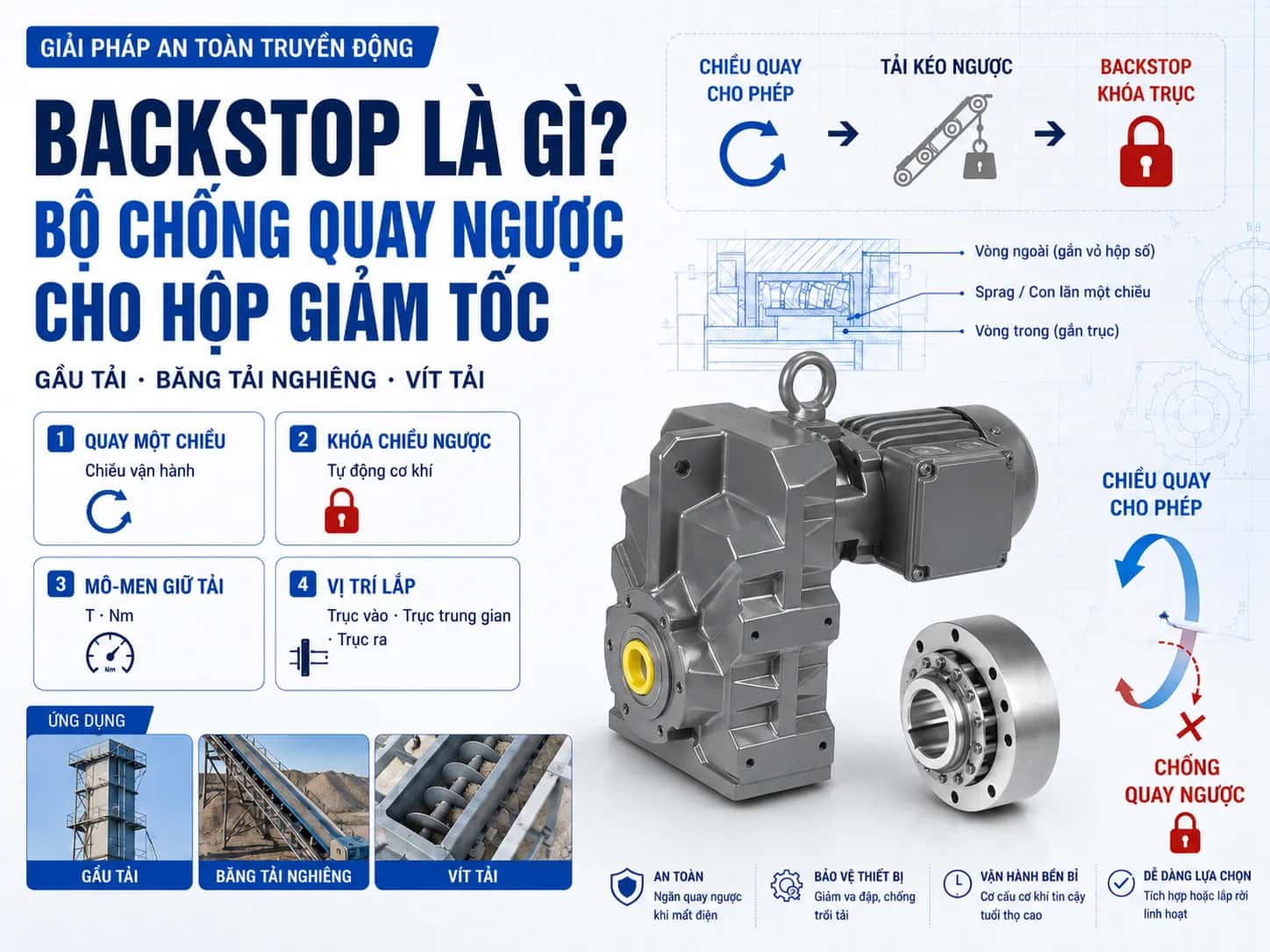
For inclined conveyors, winches, or lifting mechanisms, it is necessary to additionally check the load-holding capability when the motor stops or loses power.
Common selection mistakes
Selecting based solely on kW power
Power does not fully represent starting capability. Two motors with the same power rating may have different starting torque characteristics.
Checking only rated torque
Rated torque represents steady-state operating capability and does not replace the need to check starting and peak torque.
Assuming bigger gearboxes are always better
A larger gearbox may increase load capacity but also increases inertia, size, and cost. It must be selected correctly based on the actual load.
Setting acceleration time too short
A short acceleration time increases the required acceleration torque and current.
Ignoring load conditions at startup
An empty screw conveyor and one filled with material have very different starting requirements.
Using peak torque to evaluate continuous operation
Peak torque is generally only permitted for short durations. It must not be used as a substitute for continuous operating torque.
Frequently Asked Questions
Is starting torque the same as maximum torque?
No. Starting torque is the torque at zero speed. Maximum torque may occur at a different speed on the motor characteristic curve.
Is operating torque the same as rated torque?
Not entirely. Operating torque is the actual torque required by the load. Rated torque is the continuous capacity of the motor or gearbox under rated conditions.
Is it sufficient if the motor's rated torque is greater than the load?
No. It is necessary to also check the starting torque, acceleration time, load inertia, and maximum torque.
Does increasing the gear ratio make the motor easier to start?
Increasing the gear ratio typically increases the output torque and reduces the load torque reflected to the motor side. However, the output speed will decrease, and the gearbox limits must be checked.
Does a VFD increase starting torque?
A VFD can improve torque control at low speeds when selected and configured correctly. The actual capability is still limited by the current, motor, control mode, and the VFD's overload capacity.
Can a gearbox have sufficient operating torque but insufficient starting torque?
Yes. A gearbox may withstand continuous loads but lack the capacity to handle peak torque during startup, jamming, or reversing.
MDriveTech consultation for motor and gearbox selection
MDriveTech provides support for selecting geared motors and gearboxes from DSK, Nara Samyang, and NK for:
Conveyors
Screw conveyors
Mixers
Packaging machines
Winch drums
Turntables
Lifting equipment
Industrial drive systems
For accurate selection, customers should provide:
Motor power and speed
Output speed
Torque or load characteristics
No-load or full-load startup
Acceleration time
Number of starts per hour
Whether the load involves impact or reversing
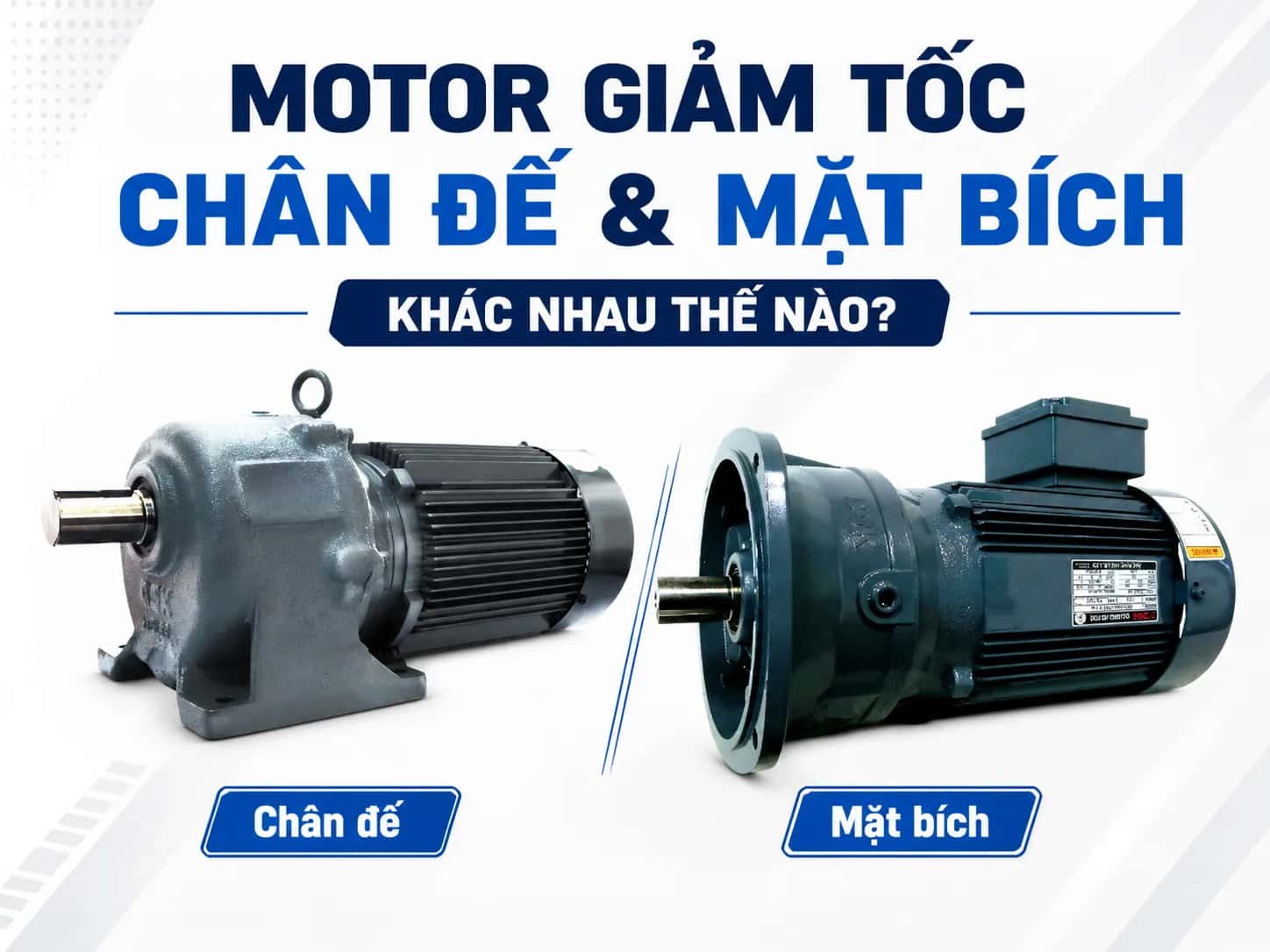
Mounting type and shaft dimensions
Machine images or drawings
Hotline: 0868 789 647
Email: [email protected]
Conclusion
Starting torque is the torque required to overcome initial resistance and accelerate the system. Operating torque is the torque needed to maintain machine operation at the required speed.
When selecting a motor and gearbox, it is necessary to simultaneously check the starting torque, operating torque, maximum torque, load inertia, acceleration time, and duty cycle. Selecting solely based on kW power may result in a system that has sufficient power but is still unable to start.